


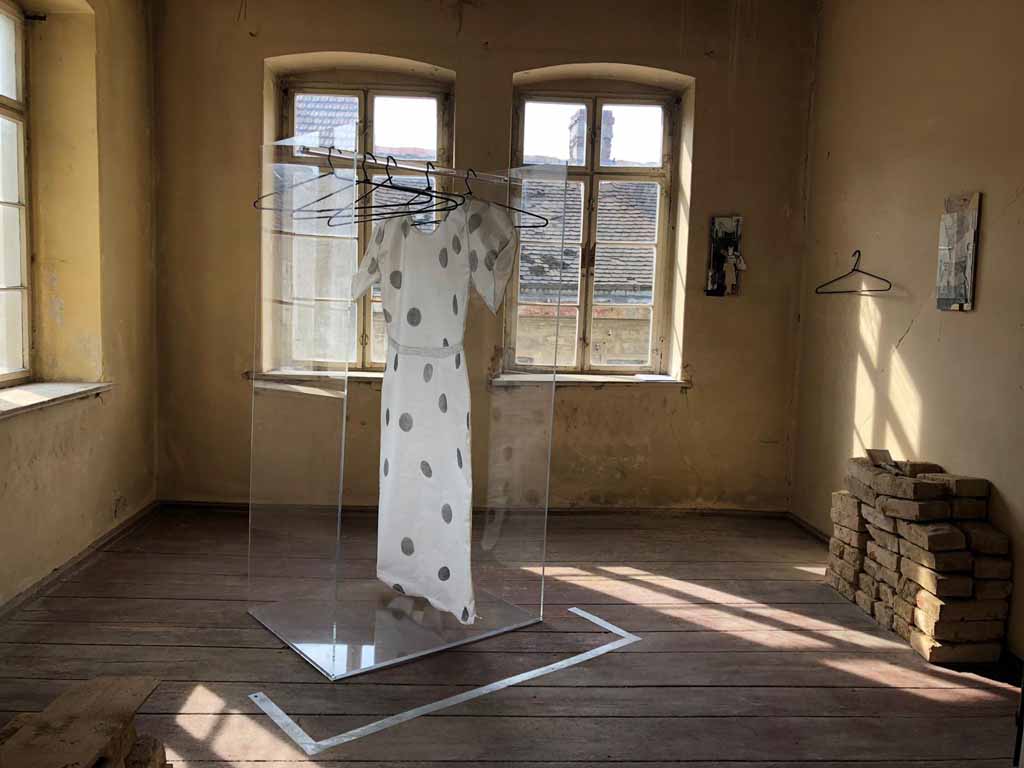
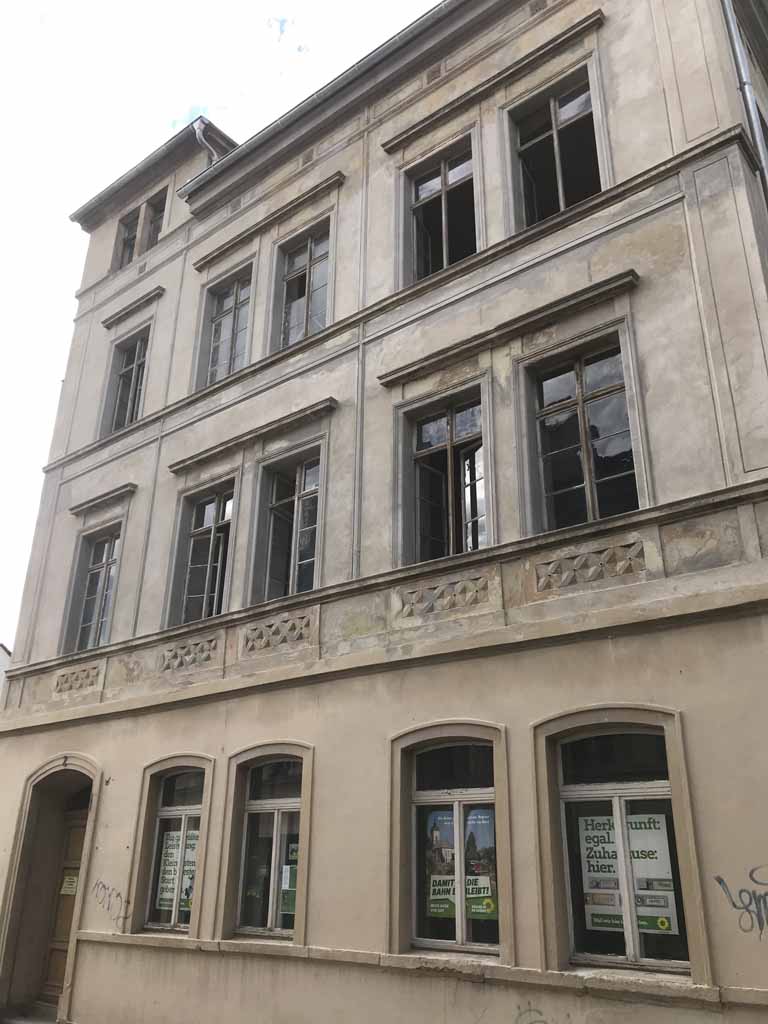
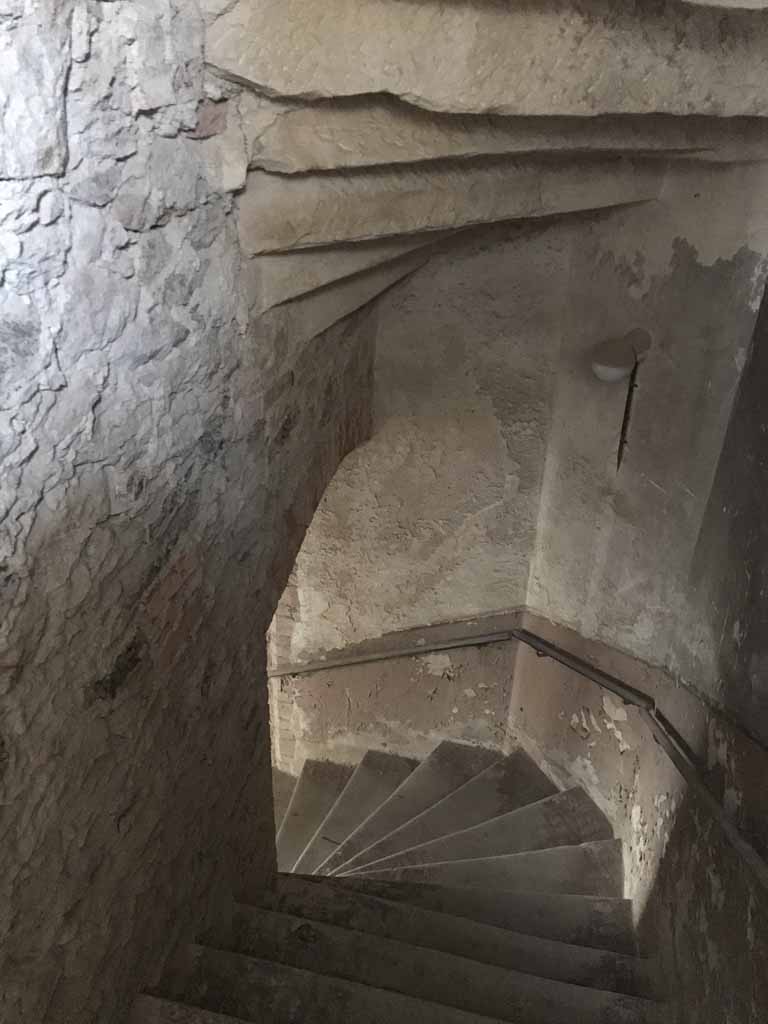
8. September 2019, Amalienstraße 2
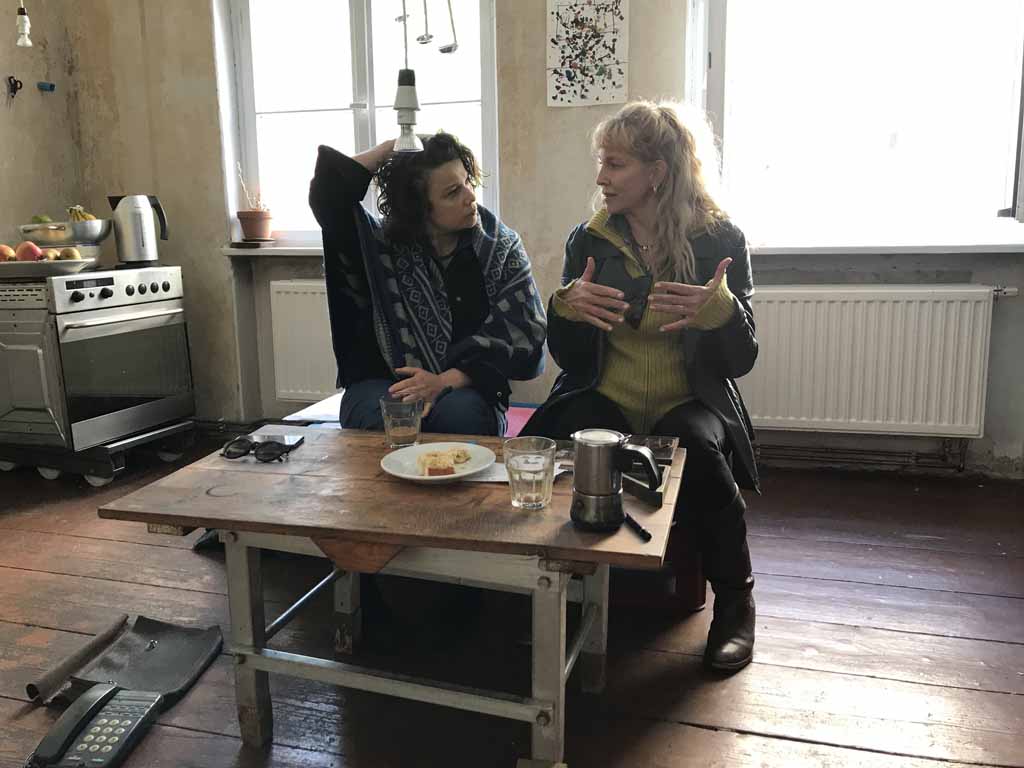
Marty Sander
aus: https://www.marty-sander.com/art/vita
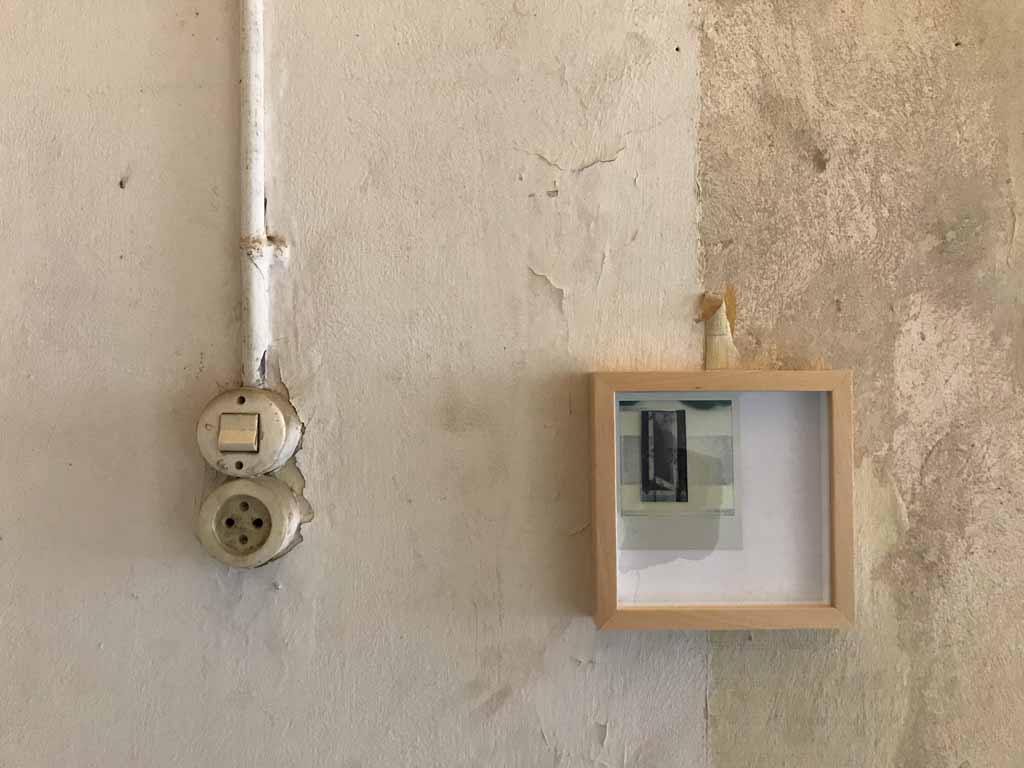
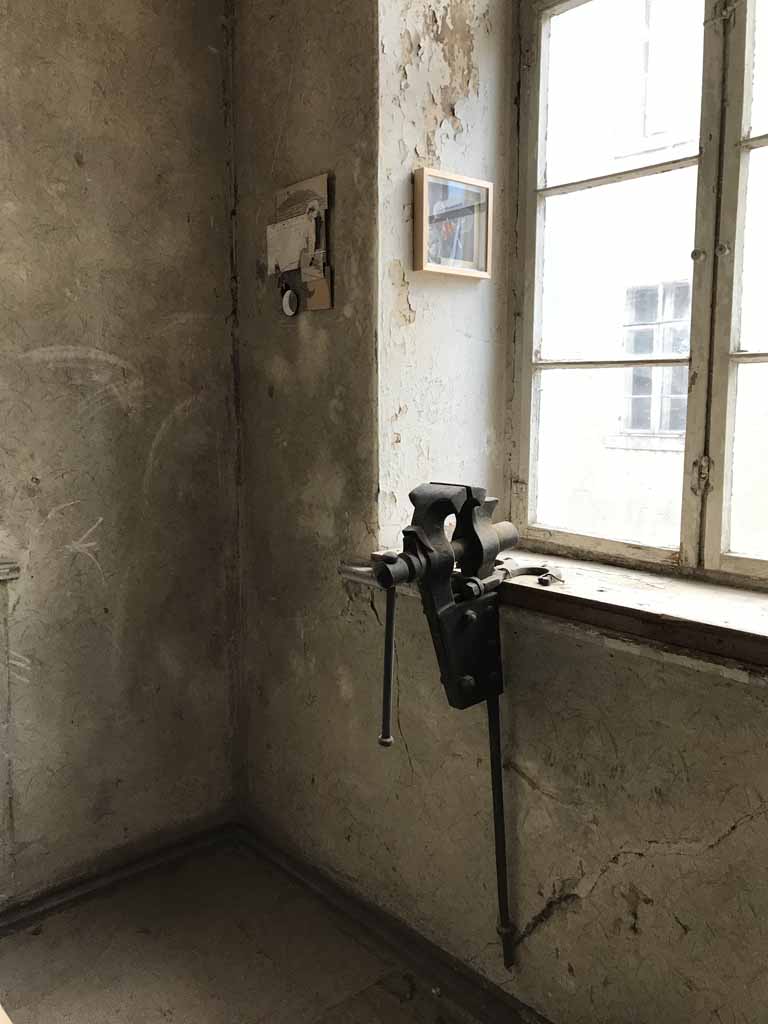
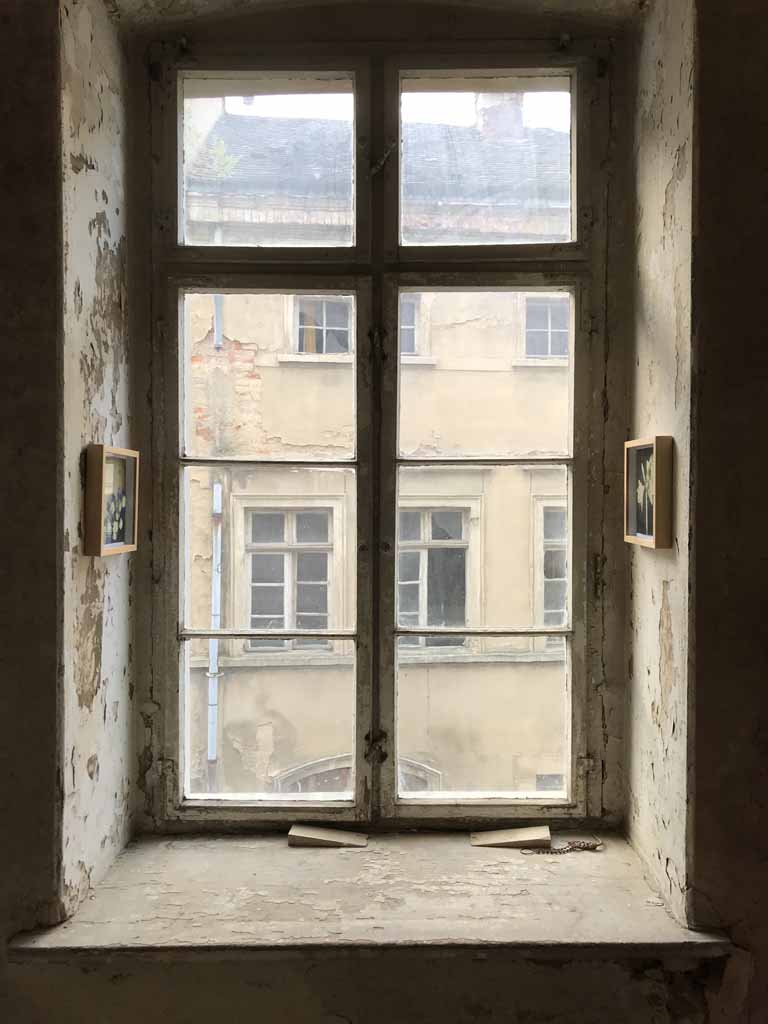
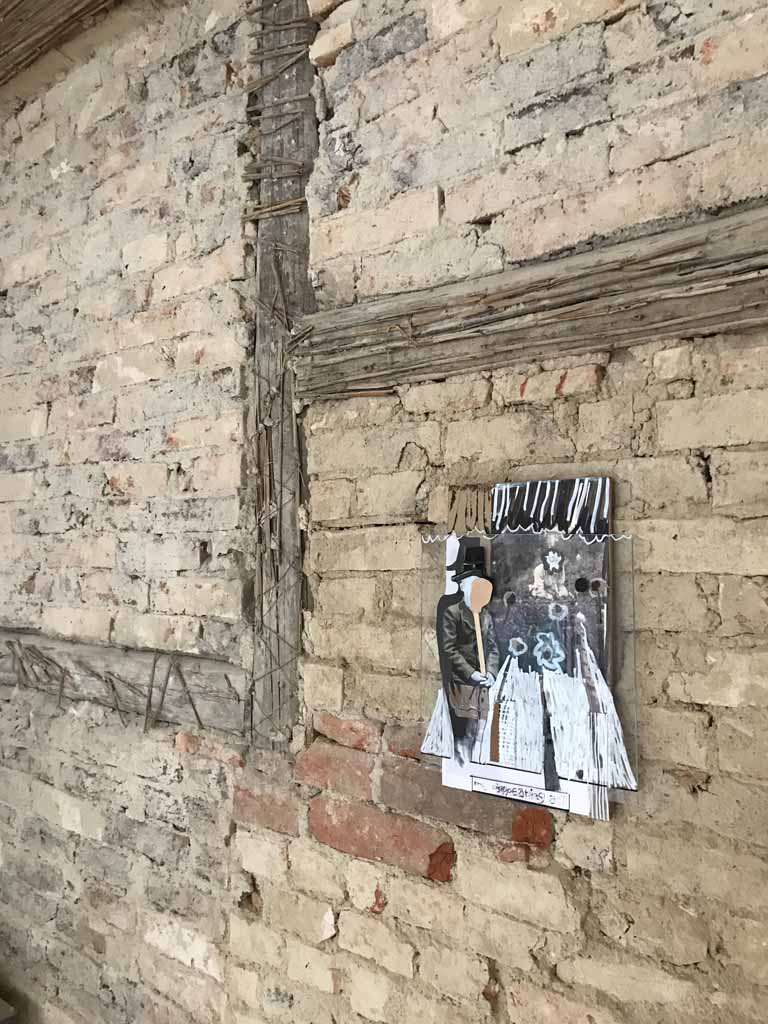
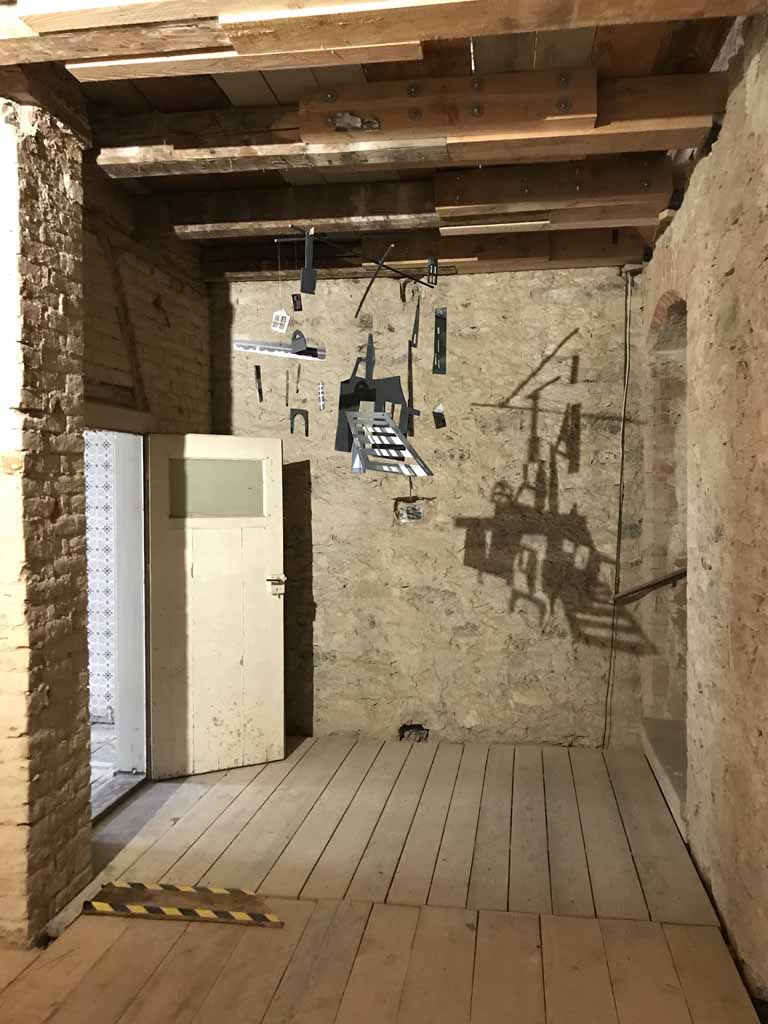
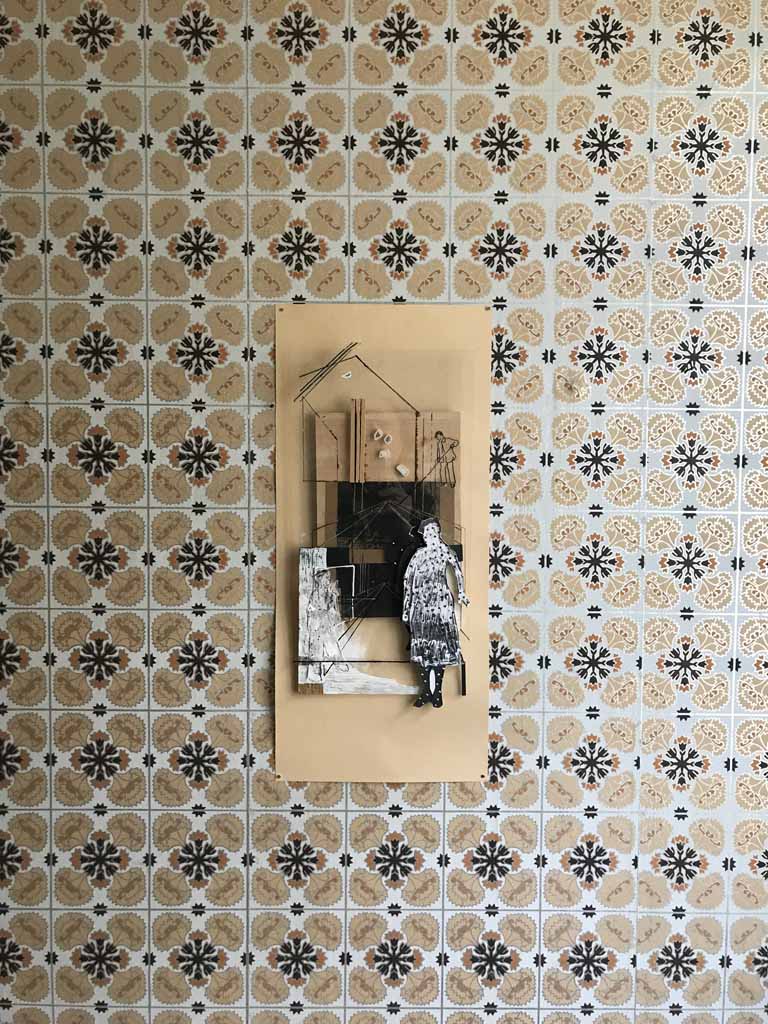
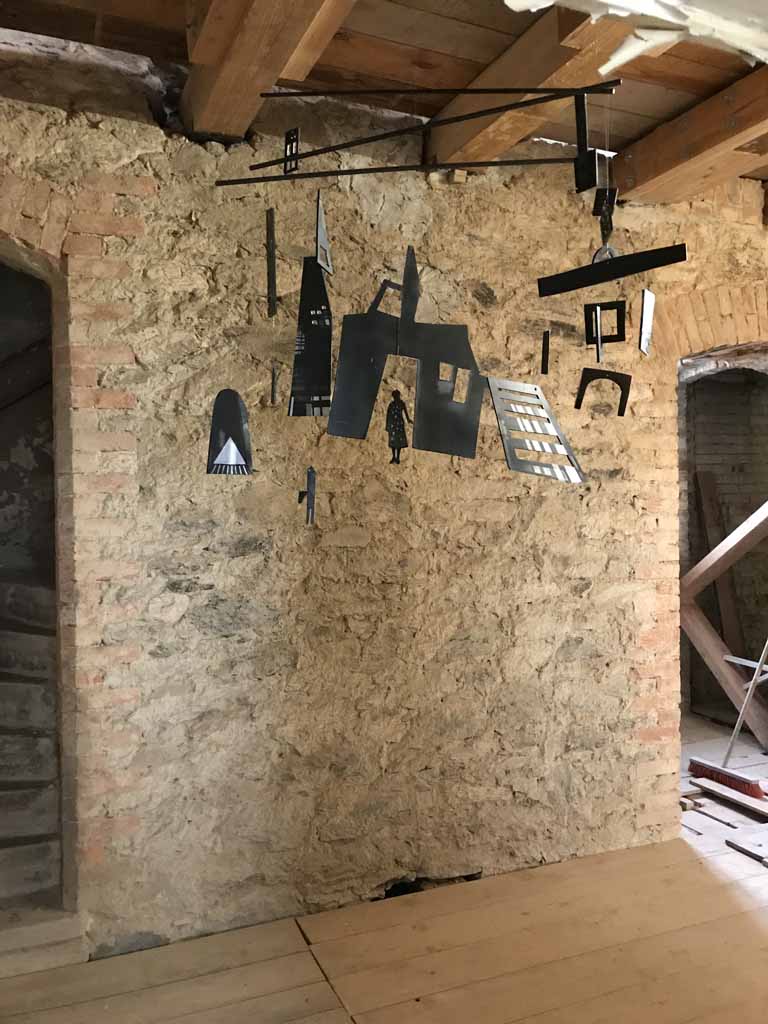
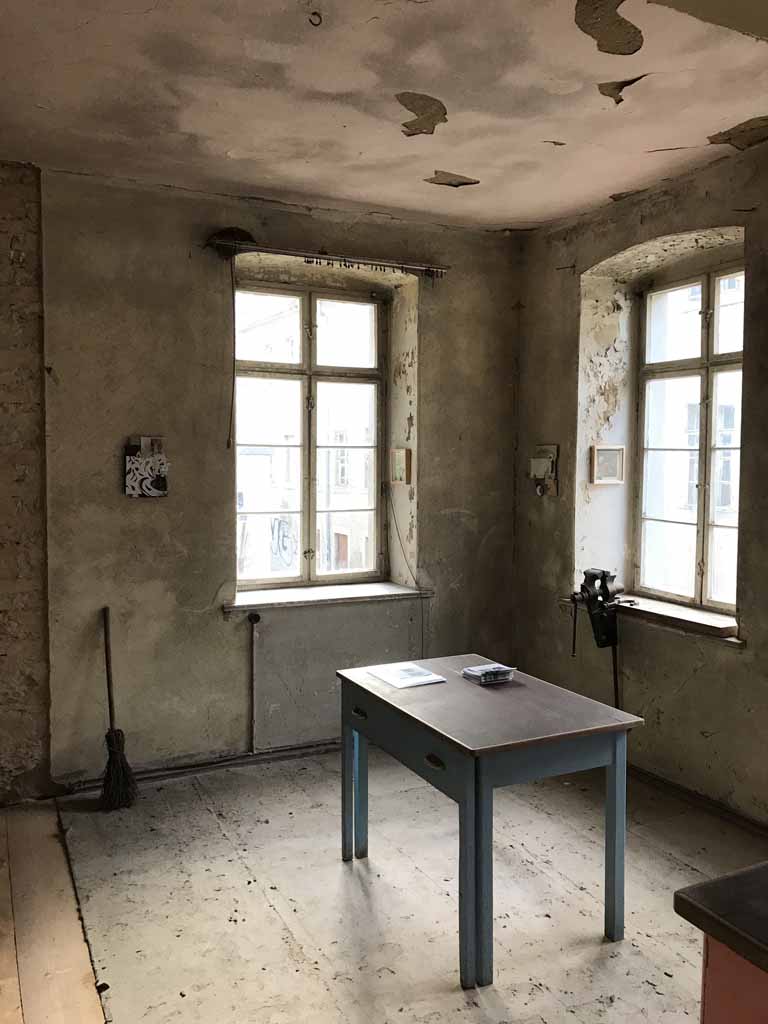
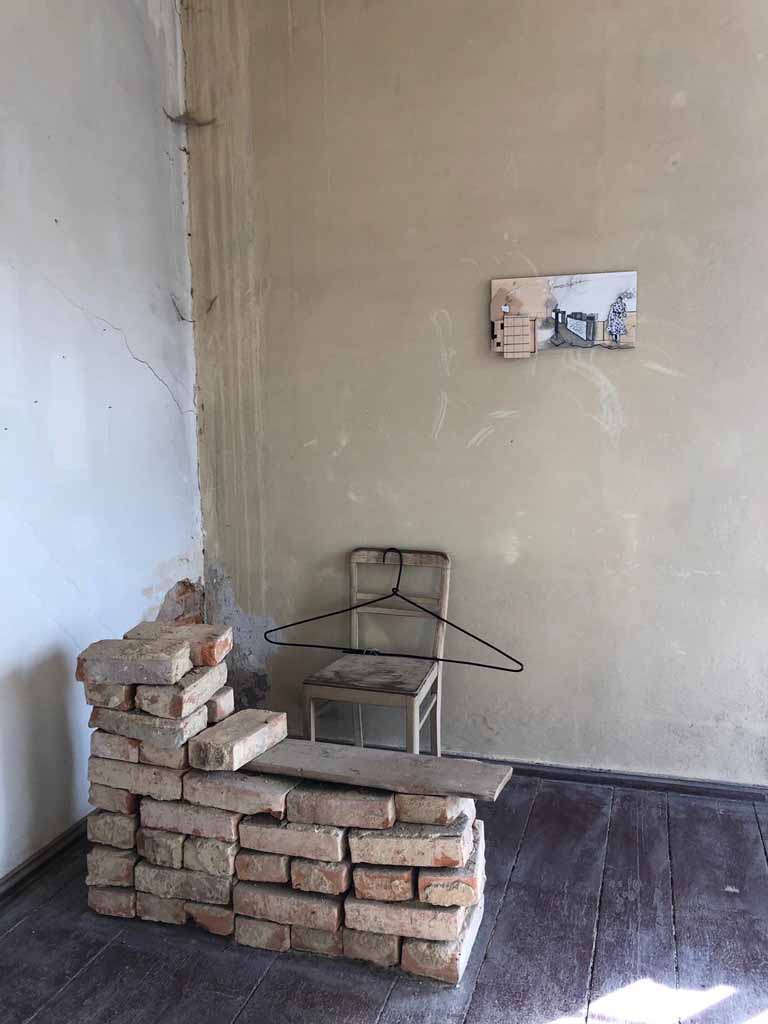
M. Sander sees herself as a story-teller; her works are primarily narrative. She is influenced by the art movement Magic Realism and the themes transience and time. In her work, she combines imagery from various sources: old letters, postcards and photos often serve as inspiration for new stories; she incorporates her own experiences, stories told to her, as well as literary references in her works, which allow diverse interpretations. Her materials vary according to her theme; she uses a combination of drawing, painting and papercuts on wood or glass.
Eva Gjaltema
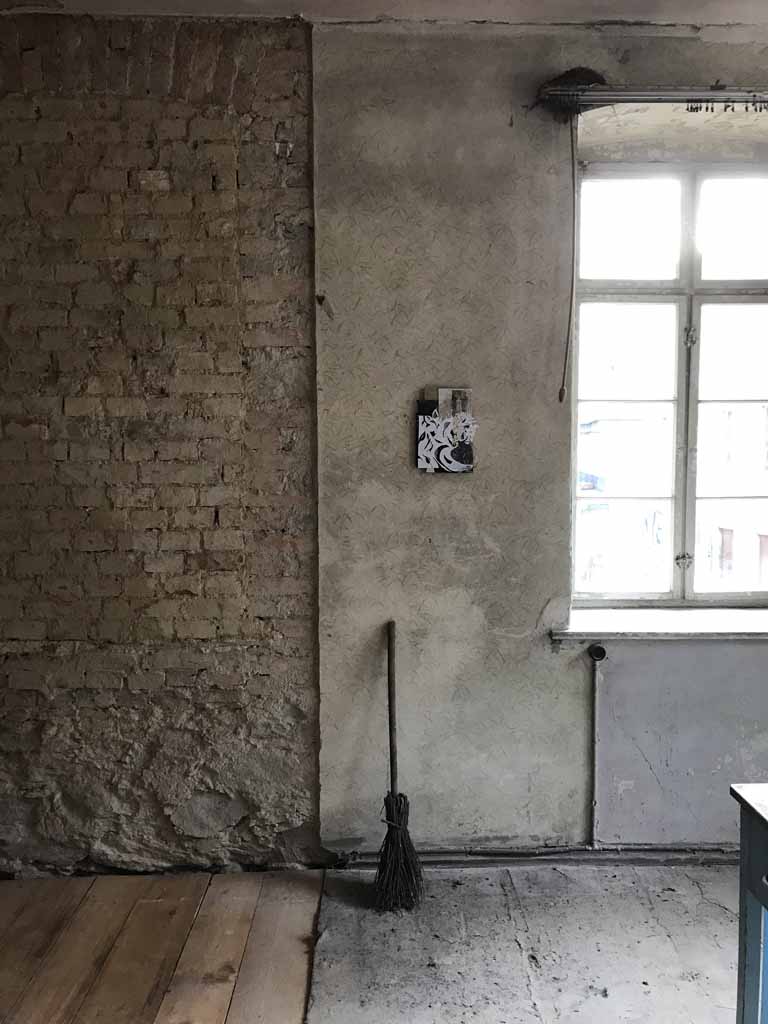
aus: https://www.evagjaltema.org/
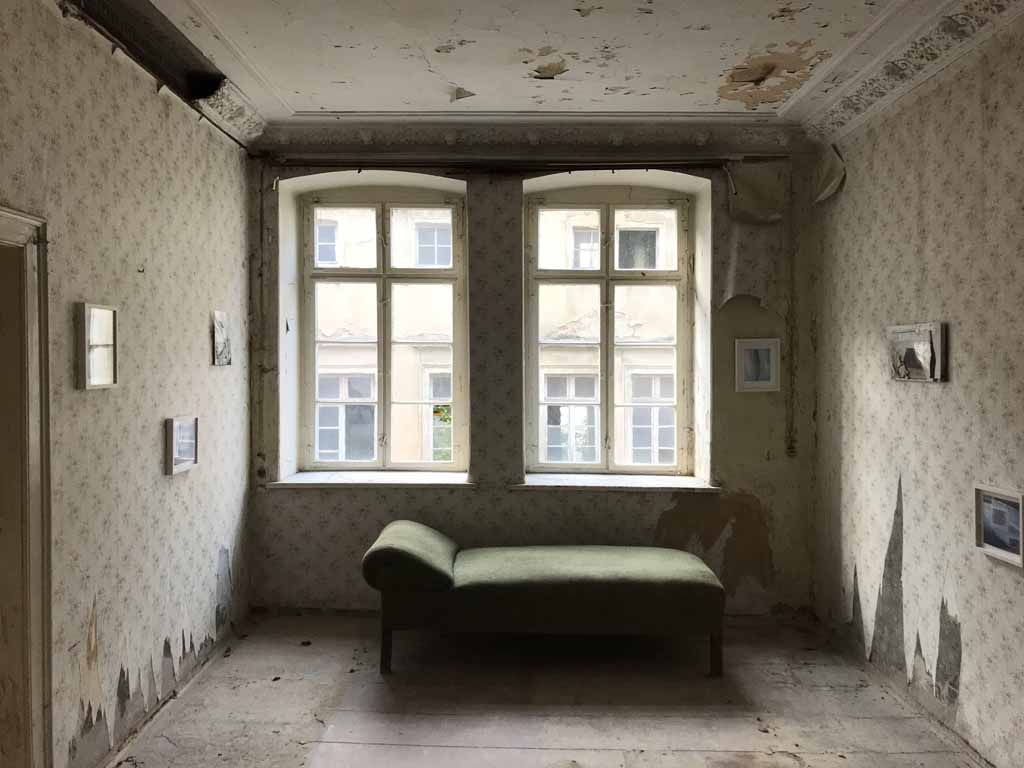
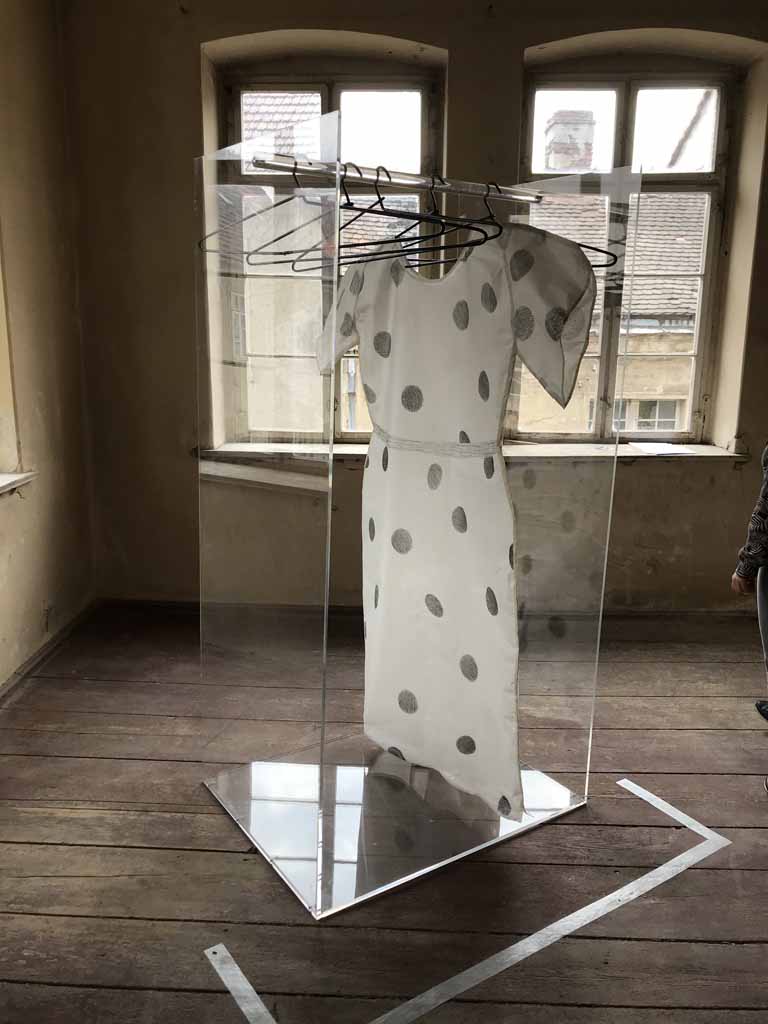
Eva Gjaltema (1979, *NL) is a visual artist, educator and art therapist who has been living and working in Berlin since 2012. Her artistic work stems from a profound desire to explore and illuminate themes related to life experiences and the inner conflicts we face as human beings. By making inner conflicts visible, she validates them and introduces the viewer the concept of art as a transformational tool. She combines various archival, photographic materials and mixed media to unfold new meanings.
Micheline Richau
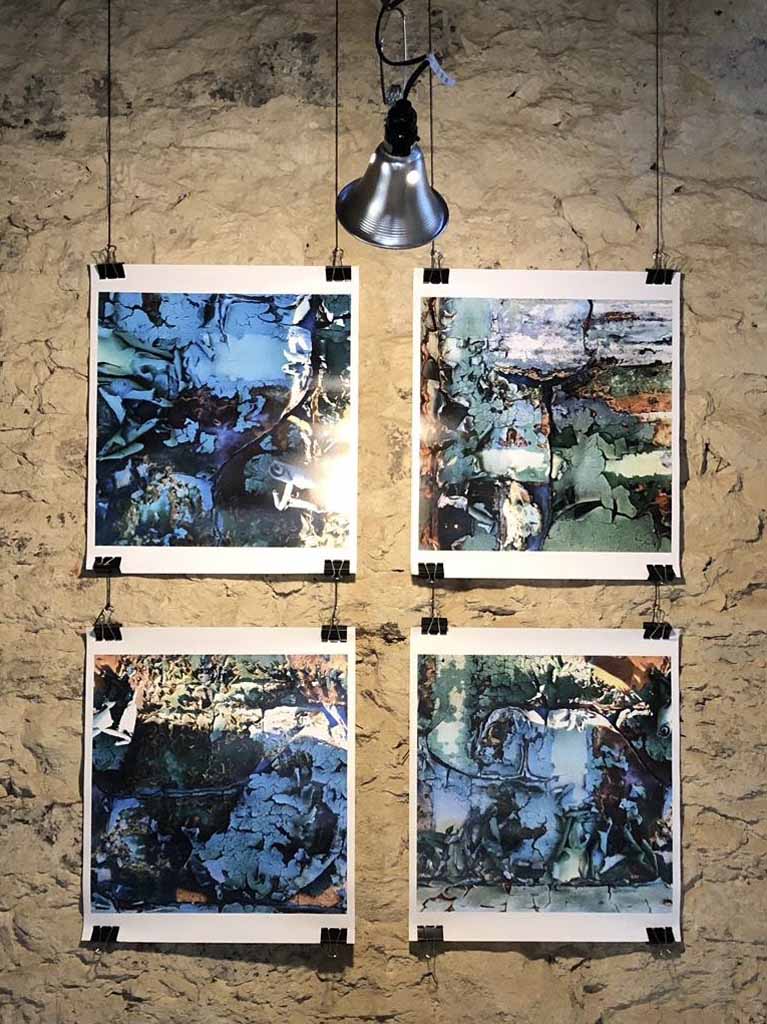
M. Richau bildet seit 2016 in ihrem Atelier in der Fachschule im Humanistischen Verband Erzieher aus.
Kurzvita (Internetseite HVD)
- Facharbeiterin für Feinmechanik
- 30 Jahre künstlerische Projektarbeit und kunsttherapeutische Begleitung für verschiedene Alters- und Zielgruppen
- vier Jahre Durchführung künstlerischer Workshopmodule für angehende Lebenskundelehrer*innen
- Mitgründerin des Vereins dynamis e. V. und langjährige Mitarbeit für Inklusion und Vernetzung
- zwei Jahre Fortbildnerin für Facherzieher*innen für Inklusion
- Ausbildung bei Arno Stern in Paris zum „Malspiel“
- Ausbildung Fachkraft für Kultur- und Reggiopädagogik in Österreich
- seit 2016 Dozentin für das Lernfeld 4 an der Humanistischen Fachschule für Sozialpädagogik
„Der Atelierbereich trägt dazu bei, dass komplexe Sachverhalte auf möglichst vielen Sinneskanälen erlebt und hinterfragt werden. Ästhetisches Forschen soll Erzieher*innen anregen, dass es nicht das eine Lernschema gibt, das man anbieten kann. Dinge als Phänomene zu sehen und auf andere Lösungen zu kommen, ist der große Wert der Atelierarbeit. Hier geht es um Wahrnehmung und exemplarische künstlerisch-spielerische Zugangsmöglichkeiten für einen projektbasierten Ansatz mit Kindern und Jugendlichen, um sie bewertungsfrei zu unterstützen.“